
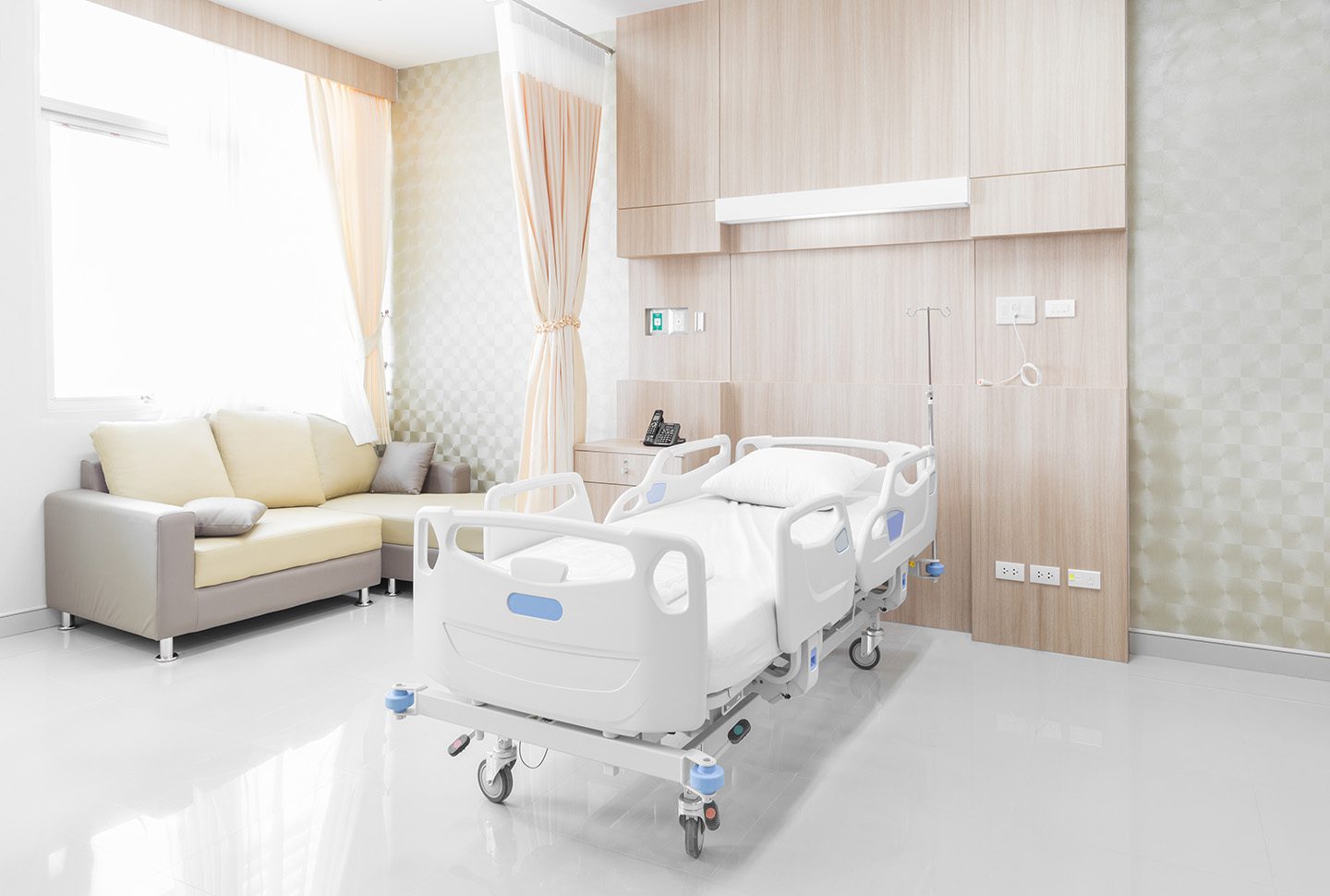
In today’s healthcare environment, every detail inside a patient room matters. From infection control to workflow efficiency, hospitals are under constant pressure to deliver better care while managing costs and minimizing disruption. At the center of this transformation is one critical but often overlooked component: the modular patient room headwall.
Far more than a wall feature, a modular headwall is the operational hub of the patient room, integrating medical gases, power, data, and equipment into a single, streamlined system that supports both caregivers and patients.
What Is a Modular Patient Room Headwall?
A modular patient room headwall is a prefabricated system installed at the head of a hospital bed that consolidates essential services such as medical gas outlets, electrical power, communication systems, and equipment mounting into one organized unit.
Unlike traditional stick-built headwalls, modular systems are manufactured off-site and delivered ready for installation. This approach allows for:
- Faster, cleaner installation
- Greater consistency and quality
- Reduced on-site labor and coordination
At its core, the headwall serves as the central interface between patient care and infrastructure, enabling clinicians to access everything they need quickly and safely.
Why Modular Headwalls Are Replacing Traditional Construction
Traditional patient room construction relies on multiple trades working simultaneously on-site, often leading to delays, inconsistencies, and costly rework. Modular headwalls shift this complexity into controlled manufacturing environments.
This change delivers immediate benefits. Installation becomes faster and less disruptive, which is especially important in active hospitals where downtime directly impacts patient care and revenue. Off-site fabrication also improves precision and reduces errors, resulting in a higher-quality finished product.
Hospitals are increasingly choosing modular headwalls because they align with modern healthcare priorities:
- Speed of construction
- Operational continuity
- Long-term flexibility
- Infection control
Modular vs. Traditional Headwalls
| Factor | Modular Patient Room Headwall | Traditional Stick-Build Headwall |
| Construction Method | Prefabricated off-site | Built entirely on-site |
| Installation Time | Hours to days | Days to weeks |
| Disruption | Minimal | Significant |
| Quality Control | High, factory-controlled | Variable |
| Flexibility | Easily reconfigurable | Difficult to modify |
| Maintenance | Accessible, non-invasive | Requires wall demolition |
| Infection Control | Sealed, cleanable surfaces | More seams and gaps |
Built for Speed, Installed With Minimal Disruption
One of the most significant advantages of modular patient room headwalls is the ability to dramatically shorten project timelines. Because systems are prefabricated to exact specifications, they can be installed quickly once delivered to the site.
In some cases, modular headwall systems can be installed in under an hour, compared to days or weeks for traditional builds.
For healthcare facilities, this means:
- Faster room turnover
- Reduced downtime
- Minimal disruption to adjacent patient areas
Off-site manufacturing also reduces dust, noise, and on-site congestion, improving safety and maintaining better indoor air quality during construction.
Integrated Technology at the Bedside
Modern patient care relies on a growing number of devices and systems. A modular headwall brings all of these elements together into a single, organized platform.
Typical integrations include:
- Medical gas (oxygen, air, vacuum)
- Electrical outlets (standard and emergency power)
- Data ports and communication systems
- Nurse call and monitoring devices
- Equipment mounts and accessory rails
By consolidating these services, modular headwalls reduce clutter and improve accessibility, allowing caregivers to work more efficiently in high-pressure situations.
Infection Control and Cleanability
Infection prevention is a top priority in any healthcare setting, and headwalls play a critical role. Modular systems are designed with smooth, non-porous surfaces and minimal seams, making them easier to clean and disinfect.
Many systems incorporate:
- Sealed joints and antimicrobial materials
- Medical-grade finishes that resist chemicals and wear
- Reduced penetrations and exposed components
These features help create a safer environment by limiting areas where bacteria and contaminants can accumulate, supporting compliance with strict infection control protocols.
Flexibility and Future-Proofing
Healthcare environments are constantly evolving. New technologies, changing workflows, and shifting patient needs require infrastructure that can adapt over time.
Modular patient room headwalls are designed with flexibility in mind. Unlike traditional construction, they allow for:
- Easy access to internal systems without demolition
- Reconfiguration of outlets, devices, and equipment
- Upgrades to new technologies with minimal disruption
This adaptability extends the lifecycle of the patient room and reduces the cost and complexity of future renovations. Systems can be modified or expanded as needs change, ensuring long-term value.
Improving Workflow and Patient Experience
A well-designed headwall does more than organize equipment—it improves the entire care experience.
For caregivers, modular systems create a more efficient workspace by placing critical services within easy reach and reducing unnecessary movement. This can be especially important in emergency situations where speed and clarity are essential.
For patients, headwalls contribute to a calmer, more organized environment. By reducing visible clutter and integrating equipment into the wall, they help create a cleaner, more comfortable space that supports healing.
In modern healthcare design, functionality and aesthetics are no longer separate considerations—they work together to improve outcomes.
Types of Modular Patient Room Headwalls
Modular headwalls can be configured in different ways depending on the clinical setting and patient needs:
Vertical Headwalls
Designed to maximize space efficiency, often used in critical care environments where access to multiple services is required.
Horizontal Headwalls
Provide a broader layout for integrating equipment and services across the wall, commonly used in standard patient rooms.
Recessed or Semi-Recessed Systems
Installed within the wall cavity for a cleaner, more streamlined appearance.
Surface-Mounted Systems
Mounted directly onto existing walls, ideal for renovations and retrofit projects.
Each configuration can be customized to meet specific requirements, ensuring the headwall aligns with both clinical workflows and design goals.
Why Modular Headwalls Are the Future of Healthcare Construction
Healthcare facilities are under increasing pressure to deliver more with less – more capacity, more efficiency, and better patient outcomes, all while controlling costs and minimizing disruption.
Modular patient room headwalls directly support these goals. They enable faster construction, improve infection control, and provide the flexibility needed to adapt to future demands. Most importantly, they help create environments where both patients and caregivers can perform at their best.
Build Smarter Patient Rooms with Modular Headwalls
Healthcare facilities are under increasing pressure to deliver more with less – more capacity, more efficiency, and better patient outcomes, all while controlling costs and minimizing disruption.
By investing in modular solutions, hospitals can move beyond the limitations of traditional construction and build patient spaces that truly support modern care and efficiency goals. That is why modular patient room headwalls are no longer just an option, they are becoming the standard.
At GBHLS, we are committed to providing healthcare organizations modular headwall solutions to help them stay ahead of time, and Amico has been our reliable partner through this journey.
Get in touch today and let’s discuss how we can transform your next patient room.