
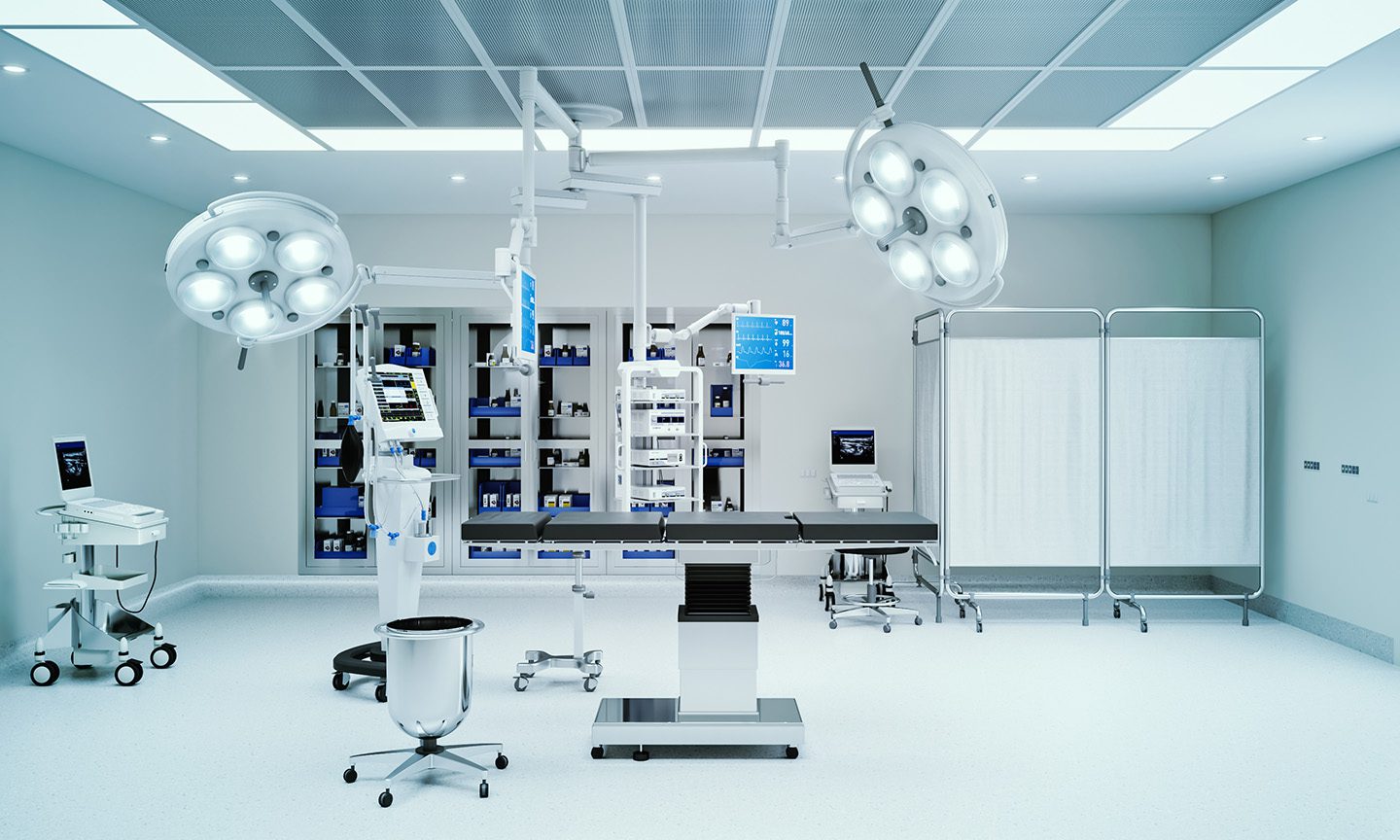
Operating rooms demand absolute precision. Every surface, joint, and material plays a role in maintaining sterility, supporting workflows, and ensuring long-term durability. Yet traditional wall construction often falls short, introducing seams, inconsistencies, and limitations that make upgrades difficult and time-consuming.
Modular operating room (OR) wall systems are redefining how surgical environments are built and maintained. Designed as prefabricated, high-performance panels, these systems deliver cleaner installations, better infection control, and the flexibility hospitals need to adapt over time.
What Are Modular OR Wall Systems?
Modular OR wall systems are prefabricated wall panels eng.ineered specifically for surgical environments. These panels are manufactured off-site and installed as a complete system, integrating structural support, finishes, and embedded infrastructure.
Unlike traditional drywall or tile construction, modular wall systems are designed to be:
- Seamless or near-seamless
- Non-porous and easy to clean
- Durable under constant clinical use
- Accessible for maintenance and upgrades
They can also incorporate built-in components such as medical gas outlets, electrical systems, monitor mounts, and storage, creating a highly functional surgical environment without the clutter of external fixtures.
Why Hospitals Are Moving Away from Traditional OR Walls
Stick-built OR walls rely heavily on on-site labor, which introduces variability and complexity. Multiple trades must coordinate installation, and even small inconsistencies can affect long-term performance.
More importantly, traditional walls are difficult to modify. Accessing utilities often requires cutting into walls, creating downtime and increasing infection risk.
Modular systems solve these problems by shifting complexity into the design and manufacturing phase. What arrives on-site is a coordinated, tested system that installs quickly and performs reliably.
The shift is driven by several key needs:
- Faster construction timelines
- Reduced disruption to active surgical suites
- Higher infection control standards
- Easier long-term maintenance and upgrades
Infection Control: Built Into the System
Infection prevention is one of the most critical considerations in any operating room. Modular OR wall systems are designed with this priority at the forefront.
The panels feature smooth, non-porous surfaces that resist microbial growth and withstand frequent cleaning with hospital-grade disinfectants. Seams are minimized or sealed, reducing areas where contaminants can accumulate.
Because the system is engineered as a whole, penetrations for outlets, equipment, and fixtures are tightly controlled. This creates a more consistent and hygienic environment compared to traditional construction, where field modifications can introduce gaps or irregularities.
Over time, this level of control helps hospitals maintain compliance with strict infection prevention protocols while reducing the effort required for cleaning and maintenance.
Faster Installation with Minimal Disruption
One of the most immediate benefits of modular OR walls is speed. Since panels are fabricated off-site, installation becomes a streamlined assembly process rather than a multi-step construction project.
For active hospitals, this is a major advantage. Reduced installation time means less disruption to adjacent operating rooms and clinical areas. Noise, dust, and on-site labor are significantly minimized, allowing facilities to maintain operations during upgrades.
In many cases, modular wall systems can be installed in a fraction of the time required for traditional builds, helping hospitals return rooms to service faster and avoid lost surgical revenue.
Future Proofing Solution
Healthcare environments evolve constantly. New surgical technologies, updated workflows, and changing clinical demands require spaces that can adapt without major reconstruction.
Modular OR wall systems are designed with this reality in mind. Panels can be removed and reinstalled, allowing access to utilities behind the wall without demolition. This makes it easier to add new equipment, reroute services, or reconfigure the layout.
Instead of treating walls as permanent structures, modular systems turn them into flexible and adaptable components. This extends the lifecycle of the operating room and reduces the cost and complexity of future upgrades.
Integrated Technology and Equipment
Modern operating rooms rely on a growing range of technologies, from high-definition displays to advanced imaging systems. Modular wall systems can integrate these elements directly into the wall structure, creating a cleaner and more efficient environment.
Common integrations include:
- Flush-mounted monitors and displays
- Medical gas outlets and electrical panels
- Control interfaces and touchscreens
- Storage and equipment housing
By embedding these components within the wall, hospitals can reduce clutter, improve ergonomics, and create a more organized surgical space. This not only enhances workflow efficiency but also contributes to a safer environment for both staff and patients.
Durability in High-Demand Environments
Operating rooms are among the most demanding environments in any healthcare facility. Walls must withstand constant cleaning, equipment movement, and physical contact without degrading.
Modular OR wall systems are built with durable materials such as solid surfaces, glass panels, or coated stainless steel. These materials are selected for their resistance to impact, chemicals, and wear.
Because panels can be replaced individually if damaged, maintenance becomes more targeted and cost-effective. Hospitals can address specific issues without undertaking large-scale repairs.
Supporting a Fully Modular Operating Room
Modular OR walls deliver the most value when they are part of a broader modular strategy. When combined with modular ceilings and integrated infrastructure, they help create a fully coordinated operating room environment.
This systems-based approach improves installation efficiency, reduces coordination issues, and ensures that all components—from airflow to equipment mounting—work together seamlessly.
For hospitals, the result is a surgical suite that is not only high-performing but also easier to maintain and adapt over time.
The Strategic Advantage of Modular OR Walls
As healthcare facilities continue to modernize, the ability to build and upgrade without disruption is becoming a competitive advantage. Modular OR wall systems provide that capability, enabling hospitals to respond quickly to changing demands while maintaining the highest standards of care.
They offer more than just a construction solution. They represent a shift toward flexible, resilient future proof infrastructure designed not just for today’s needs, but for whatever comes next.
Build Operating Rooms That Evolve with You
Modular operating room walls are a critical component of modern healthcare construction. By combining precision manufacturing, infection control, and long-term flexibility, they enable hospitals to create surgical environments that are cleaner, smarter, and more adaptable.
As part of our comprehensive modular strategy, we work closely with Operamed to help healthcare organizations reduce downtime, improve performance, and future-proof their facilities – one panel at a time.
Contact us today for your next OR project.